Lombok is more than its beautiful beaches and breathtaking landscapes. It is a land shaped by stories, traditions, and a culture that has been passed down through generations. At the heart of this heritage is the Sasak people, whose traditions, architecture, crafts, and way of life continue to give Lombok its unique identity.
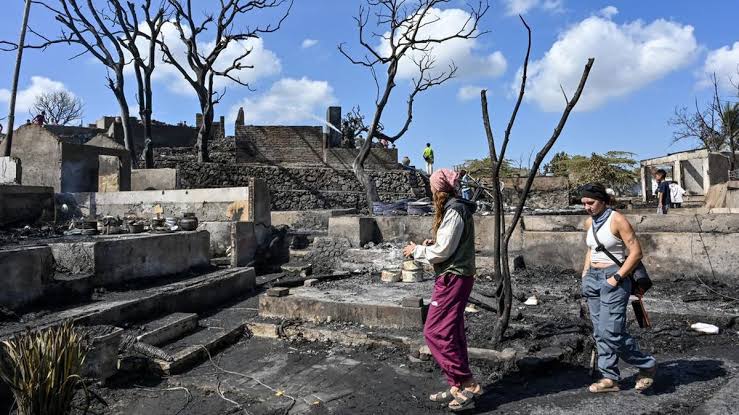
Today, as we reflect on the beauty and richness of Sasak culture, our hearts are also with Desa Sade, one of Lombok’s treasured cultural villages, which was recently affected by a devastating fire. We extend our deepest condolences to the people of Desa Sade and everyone affected by this tragedy. Beyond its traditional houses and historic surroundings, Desa Sade represents a living heritage, a place where generations have preserved the traditions and identity of the Sasak people. May the community find strength to recover and rebuild, and may the spirit of Sasak culture continue to live on, stronger than ever.
This is a small tribute to the culture, people, and heritage of Lombok that deserve to be remembered, respected, and preserved. To help you understand this beautiful heritage, here are 7 fascinating facts about Sasak cultural traditions that show why these traditions are so important to Lombok:
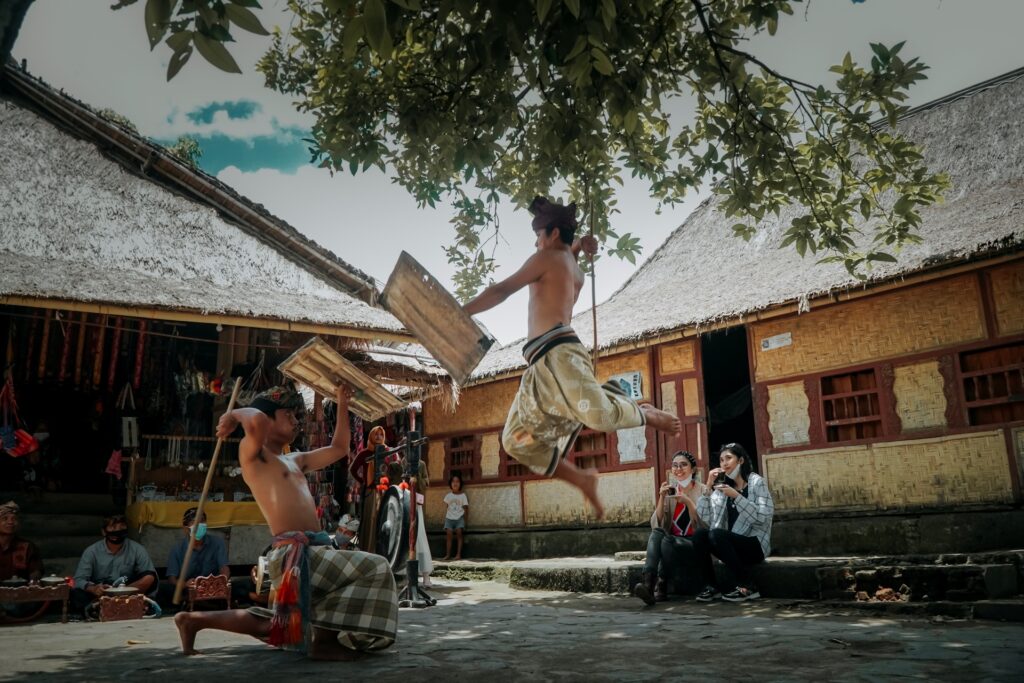
Presean performance
Desa Sade is more than just a destination, it is a living Sasak culture heritage. Visitors can immerse themselves in the daily life of local people, where women can be seen skillfully weaving intricate ikat fabrics on traditional wooden looms, a craft passed down through generations. Beyond the loom, the village often resonates with the spirit of Presean, an exciting traditional stick-fighting ritual that showcases the bravery and agility of Sasak men. For those seeking a deeper connection, guided walks through the village offer a chance to explore the unique Lumbung barns and traditional bamboo houses, providing insight into the sustainable architecture that has sheltered generations. Despite the recent fire on August 22, 2026, the community’s 'bounce back' spirit remains unbreakable. The people of Desa Sade continue to welcome visitors with open arms, eager to share their enduring customs and history, proving that their cultural identity is far stronger than any obstacle they face.
The people of Sade continue to maintain various customs and traditions passed down from their ancestors. These traditions have become an important part of the village and one of the reasons why visitors are interested in experiencing Desa Sade firsthand. As tourism in Lombok continues to grow, Desa Sade has become increasingly known among both local and international visitors. Even as a popular tourist destination, the village remains a living community where people continue their daily lives while preserving the traditions that have shaped their identity.
The traditional houses are built following socio-culture rules not just based on available lands. The sasak house architect will determine the separation of guests areas and private rooms in the house, these are intent to maintain privacy, etiquette and orderly daily activities.
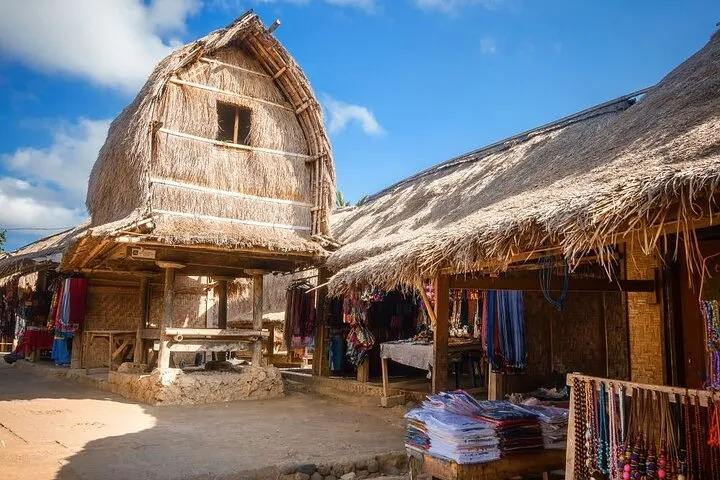
Local materials like woven bamboo, wood, and grass roofs are used because they fit Lombok's climate perfectly, they retain the heat, make the temperature inside the house stay cool, and are easily repaired.
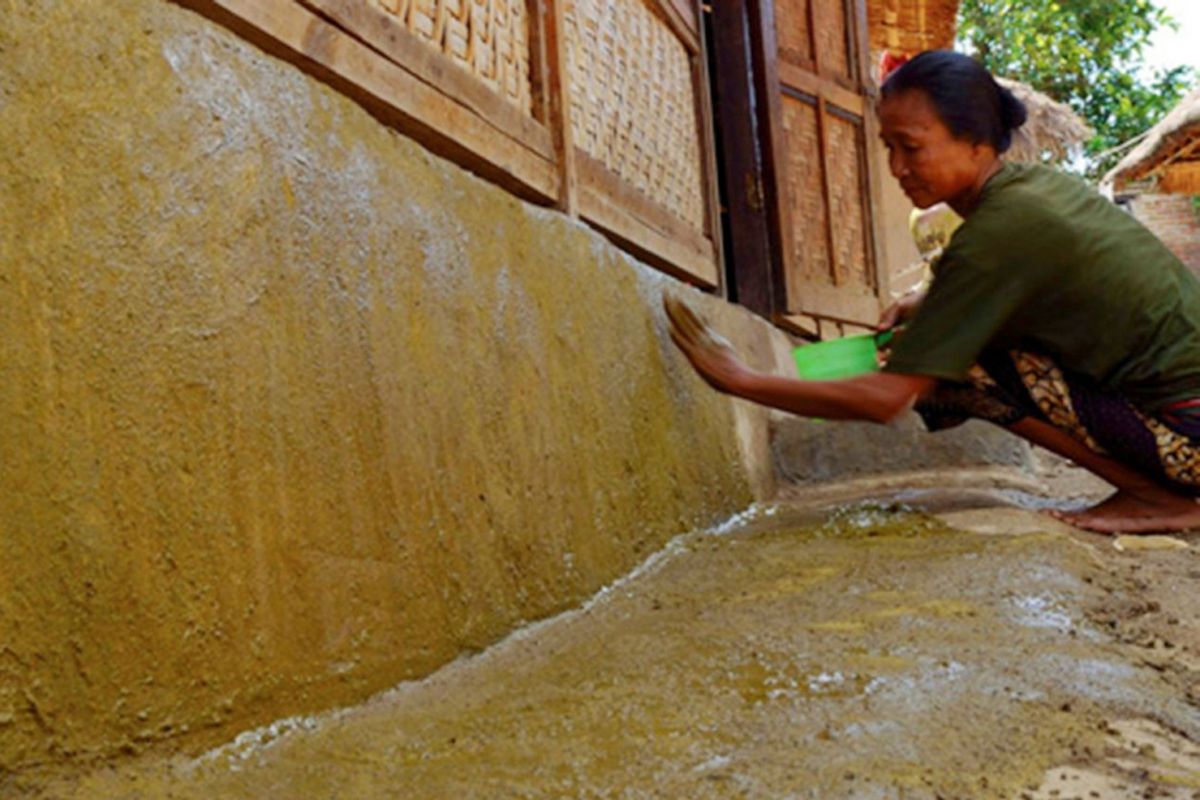
In the Sasak Ende Tourism Village, Lombok Tengah, West Nusa Tenggara, the tradition of coating or mopping earthen floors with cow dung, known as the belulut tradition, serves to strengthen the floor structure, prevent cracks, repel insects like mosquitoes and flies, and maintain a cool indoor temperature. This practice involves using fresh cow dung mixed with a small amount of water. While often mistaken for a cleaning habit, this practice is a traditional method deeply rooted in local culture, demonstrating how local customs adapt to daily needs.
No exploration of Sasak culture is complete without seeing their amazing craftsmanship in Sukarara. Here, weaving is not just a job, it is a proud tradition passed down from mother to daughter.
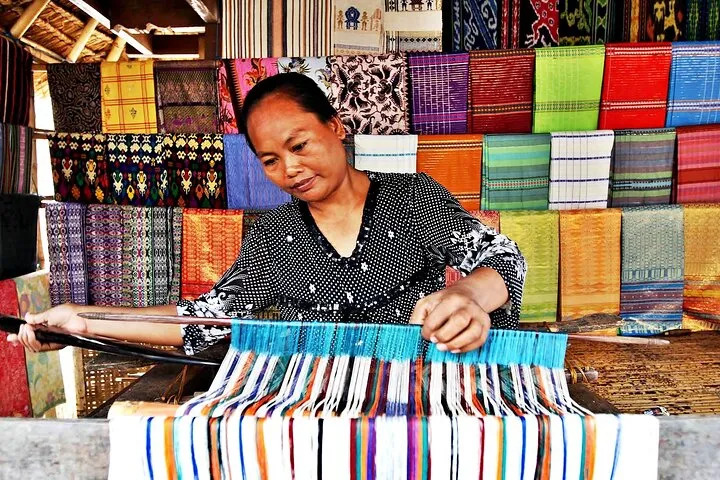
You will watch local women use traditional wooden looms to skillfully craft colorful ikat and songket fabrics, showing incredible patience. You can even try weaving yourself or dress up in traditional Sasak clothing to capture a truly unforgettable and authentic holiday photo.
Gendang Beleq is not just normal traditional music. It is a lively parade full of energy that brings everyone together. The players carry huge drums, playing fast and slow beats while showing off cool dance moves.
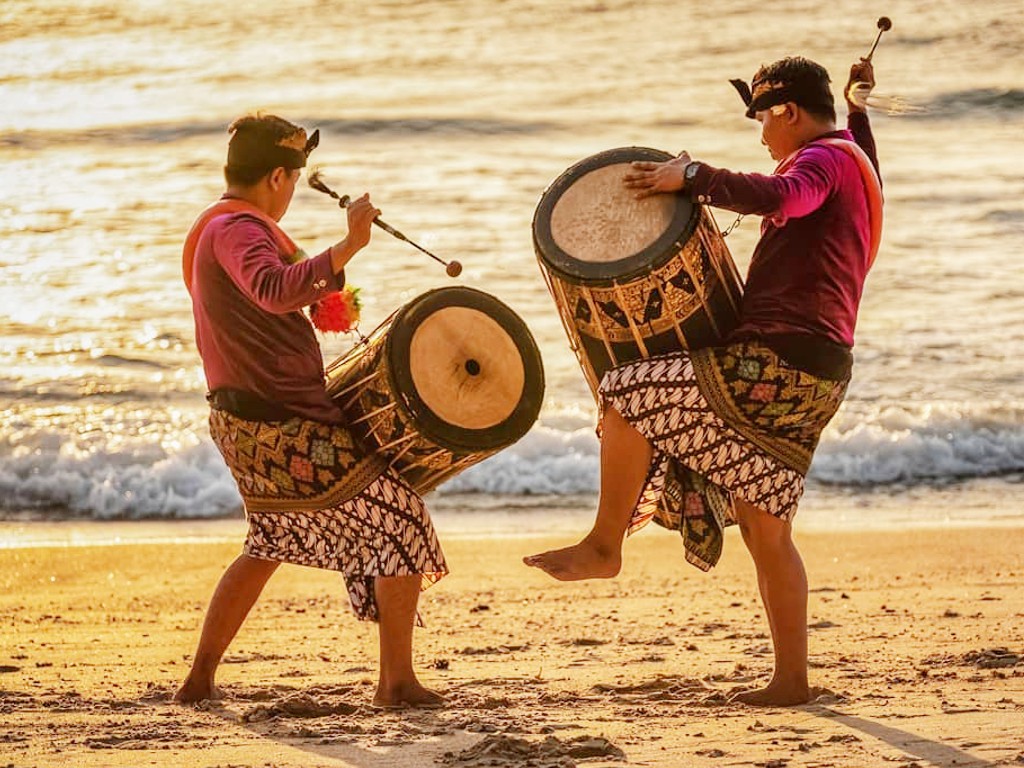
This mix of loud drums and dancing makes the whole place feel alive. Being right in the middle of the crowd and feeling the heartbeat races in your chest is a thrilling experience you will never forget.
Catching sea worms (nyale/the Bau Nyale festival), is a special yearly event to celebrate the changing seasons. When the worms show up, it means the ocean is blessing the locals, and it is time to start farming.
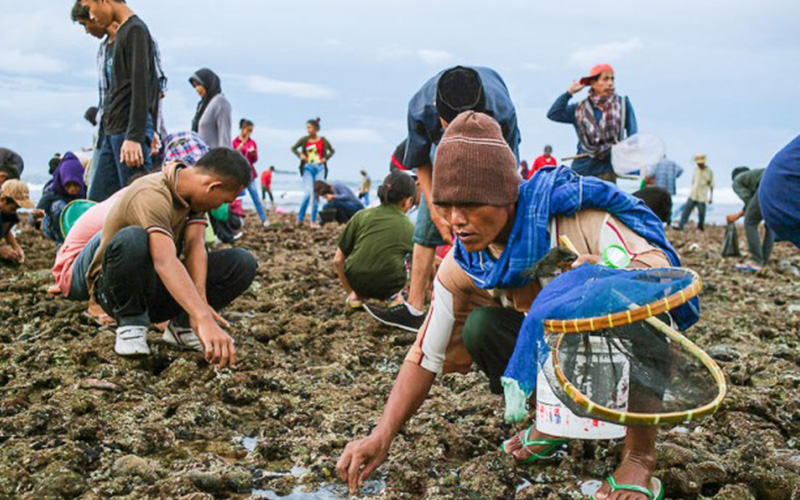
But it is not just about catching worms! It is a massive, fun gathering on the beach where everyone comes together. Seeing this exciting festival in person is an unforgettable experience you won't find anywhere else.
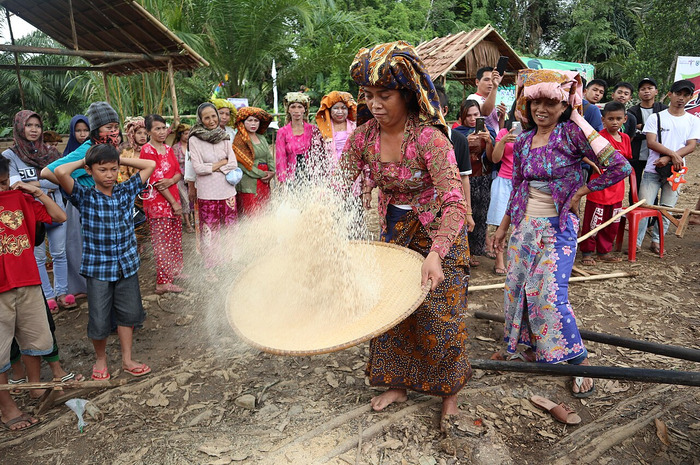
When walking through the village, you might spot local women gracefully tossing rice into the air using a large, flat bamboo tray. This traditional technique is called menampi beras, a clever way to separate the good rice grains from the husks.